
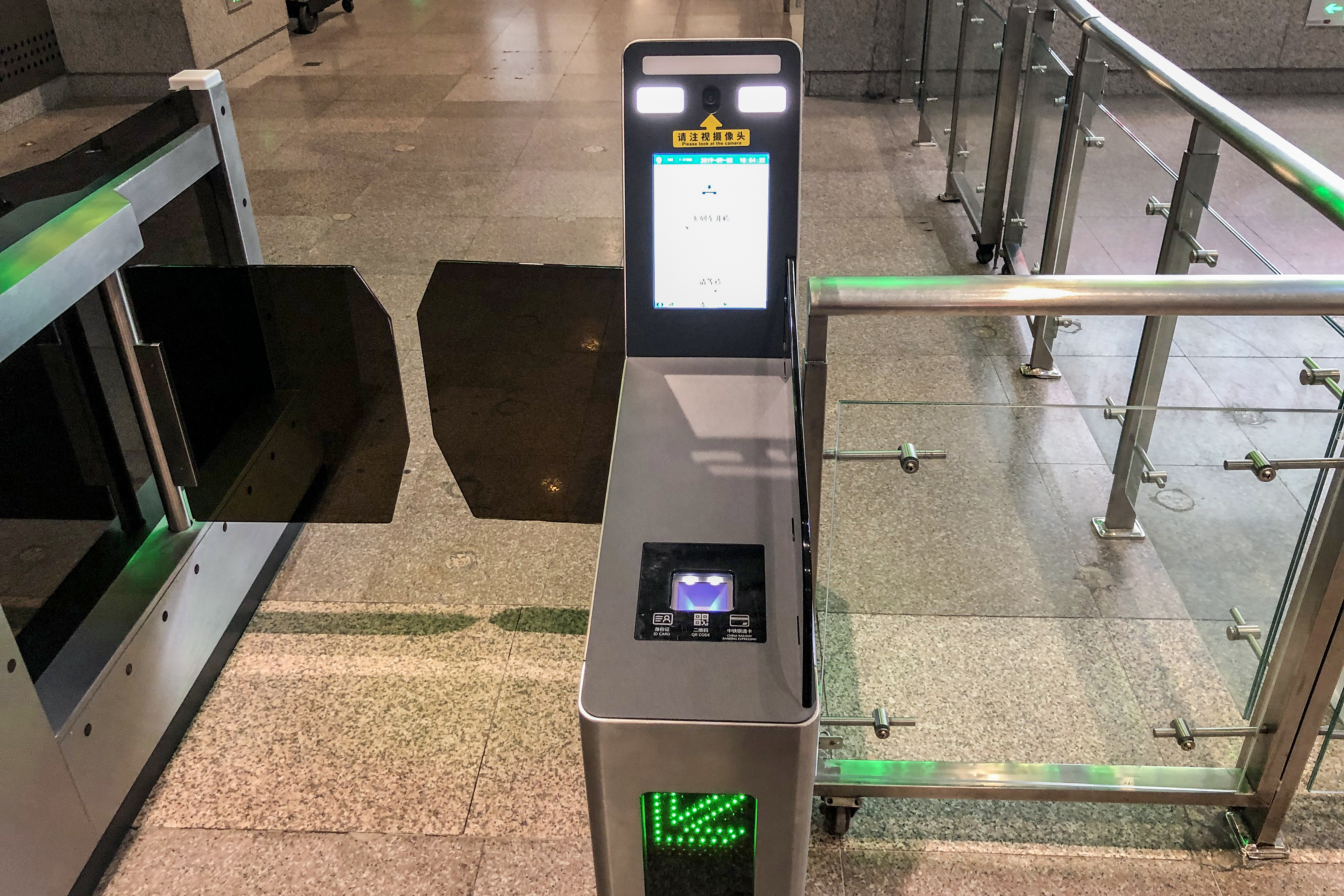
Are you prepared for the future of security screenings? Imagine a world where you don’t have to wait in line to present your passport, driver’s license or tickets to the Transportation Security Administration (TSA) agents at the airport – that world is closer than you think. In a recent move by the agency, they have begun testing facial recognition technology at U.S. airports – and here’s what that could mean for you.
1. Prepare to be Scanned: Facial Recognition at US Airports
As technology continues to revolutionize the world around us, travel has become easier and faster than ever before — and perhaps, less secure. The US Customs and Border Protection agency announced in 2019 the rollout of facial recognition technology at airports, which is designed to expedite the passenger and visa holder processing, checking for potential imposters. Surprisingly, this newer security measure will require minimal effort from you.
Before you make your way to the airport, there are only a few things you should be aware of in order to properly prepare for this technology. Here’s a quick checklist:
- Get familiar with your face data — the initial screening system generally works off a photograph of your passport or other legal documents. Make sure you have a clear understanding of which photograph will be used.
- Be prepared to take off your sunglasses — if you’re used to wearing eye-gear while traveling, this may require some readjustment on your part. The system needs an unobstructed view in order to do its job.
- Understand the system parameters — your face must fit the criteria established by the system or you may have trouble passing through it.
2. What is Facial Recognition Technology?
Facial recognition technology is a powerful tool that can be used to identify and process a person’s face. This technology allows computers to recognize faces, compare them to known individuals, and identify the person in real time.
Facial recognition technology has been making great strides in recent years thanks to Artificial Intelligence and its ability to connect large datasets. It works by capturing facial features and comparing them to existing databases. A camera can be used to gather visual information, including facial features such as the eyes, nose and mouth. The data is then processed using algorithms to create an image, which can then be compared with other images in the database.
- Accuracy: The accuracy of facial recognition technology has improved drastically over the past few years. The software can now accurately detect and match faces in low-light and high-resolution photographs.
- Uses: Facial recognition technology is increasingly being used for security purposes in airports, public transport, and public places. It’s also being used by businesses for customer identification and authentication.
- Advancements: Facial recognition technology is constantly evolving and improving. New techniques are being developed to improve the accuracy and speed of facial recognition, such as 3D facial recognition.
3. What to Expect from TSA’s Facial Recognition Trial
The Transportation Security Administration (TSA) has recently begun a trial involving facial recognition technology. This technology may potentially become an important part of the agency’s security efforts in the future.
The TSA’s facial recognition technology trial is designed to assess how feasible and effective the system would be in identifying travelers. As part of this trial, the TSA is testing out different types of technology and exploring a variety of programs. So what can you expect from the trial?
- The TSA is exploring the use of facial recognition to identify travelers at the airports.
- The system would compare passengers’ faces with the photos on their official ID.
- The TSA could potentially use the technology to more easily make sure that people are who they claim to be.
- The facial recognition system could also be used to ease congestion at the security line, as the waiting time is expected to be reduced.
At this point, the TSA has not made any plans to implement the facial recognition system as part of their regular security measures. They will continue to monitor the results of the trial to determine how effective the technology would be in airport security.
4. What Does Facial Recognition Mean for Travelers?
Thanks to facial recognition, air travelers can now transform the often-tedious process of boarding an airplane and passing through security checkpoints into a much faster, streamlined experience. From using biometric identification to enable automated passport and ticket renewals, facial recognition is helping simplify the air travel experience in many ways.
Identification: Depending on their destination, travelers may now use facial recognition technology at their home airport to verify their identity when they check their bags onto their flight. Instead of showing their boarding pass and passport to a personalized representative, travelers can provide their biometric information and have it approved quickly. This process also grants travelers more control over their data, allowing them to decide whether or not to consent to the scanning of their face.
Immigration: Additionally, many countries now offer facial recognition systems for immigration purposes. For example, the United Kingdom offers travelers a facial recognition process at the immigration counter, where a machine scans and compares their face to the one on their passport. If a match is identified, the person can pass through without further inspection. This is a time-saving convenience that can simplify the immigration process, particularly for those who have to wait in long lines as they enter a new country or go through customs.
Security: Facial recognition can also be used for security measures at the airport. It is often used to identify thieves or suspicious individuals before they gain access to restricted areas. For example, in some airports, facial recognition can be utilized to scan the faces of individuals upon entering a certain terminal. If an individual is on a watchlist, their face will be flagged, and they will be prevented from entering the secure area of the airport.
As facial recognition technology continues to advance, travelers should expect to see more airports adopting the use of this technology. It’s up to you if you choose to board planes using the new facial recognition technology, but it may prove to be more convenient and secure for yourself, and the airports themselves. No matter what your decision may be, it’s important to understand the impact that facial recognition technology could have on your upcoming trips.


Leave a Reply